

SEIPI, government intensify coordination to expedite release of production-critical shipments amid NAIA cargo congestion
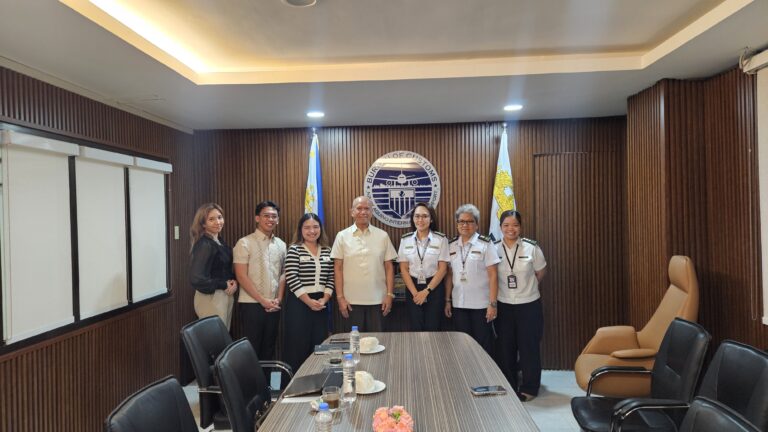
MANILA, Philippines — The Semiconductor and Electronics Industries in the Philippines Foundation, Inc. (SEIPI) is working closely with the Bureau of Customs (BOC), the Philippine Economic Zone Authority (PEZA), People’s Air Cargo and Warehousing Co., Inc. (PAIRCARGO), and other government agencies to help expedite the release of production-critical shipments affected by warehouse congestion at the Ninoy Aquino International Airport (NAIA).
The congestion has delayed the release of imported raw materials and manufacturing inputs used by semiconductor and electronics companies, creating operational challenges for one of the country’s most important export industries.
The situation developed following changes in NAIA’s cargo handling operations earlier this year, which resulted in significantly higher cargo volumes being handled by the remaining customs-bonded warehouses. While government agencies and cargo operators have already implemented measures to improve cargo movement, a substantial backlog continues to affect the timely release of shipments.
For the semiconductor and electronics industry, where manufacturing operations rely on the “just-in-time” delivery of imported materials, delays in cargo release have affected production schedules, increased warehousing and logistics costs, and placed export delivery commitments under pressure. Some member companies have also reported temporary production line shutdowns while awaiting critical production inputs.
As the country’s largest manufacturing export sector, the semiconductor and electronics industry remain the country’s largest export sector, accounting for US$ 49.3 billion, or 59% of total Philippine merchandise exports in 2025, while supporting more than three million direct and indirect jobs. Sustained disruptions in the movement of production materials can have broader implications for manufacturing output, supply chain reliability, and investor confidence.
In response, SEIPI has established a daily coordination mechanism with BOC-NAIA and PAIRCARGO to help facilitate the release of production-critical shipments. The association has been consolidating reports from affected member companies, prioritizing shipments based on operational urgency, validating shipment status, and providing updated information to government agencies and warehouse operators to support cargo search and retrieval efforts.
These efforts have enabled SEIPI to serve as the primary coordination link between affected manufacturers, government agencies, and logistics providers, helping accelerate the resolution of urgent shipment concerns while providing member companies with regular operational updates.
SEIPI also acknowledged the immediate measures undertaken by the government and logistics stakeholders to address the congestion. These include the extension of customs operating hours, the establishment of additional cargo staging facilities, deployment of additional manpower and cargo-handling equipment, and sustained coordination among the Bureau of Customs, PAIRCARGO, PEZA, the Department of Finance, the Office of the Executive Secretary, and other concerned agencies.
“The industry appreciates the prompt actions taken by our government partners and logistics stakeholders to address the current situation,” said SEIPI President Dan Lachica. “The close coordination among government agencies, PAIRCARGO, and SEIPI has been instrumental in facilitating the gradual release of production-critical shipments. While work remains to clear the backlog, this collaborative approach is helping minimize disruptions to manufacturing operations and maintain the reliability of the country’s export supply chains.”
As of July 15, SEIPI has endorsed 136 pending shipments requiring immediate assistance. Twenty-two shipments have already been located and released, while monitoring and retrieval efforts continue for the remaining cargoes through the joint coordination mechanism established by SEIPI, BOC-NAIA, and PAIRCARGO.
In a meeting with Executive Secretary Ralph Recto and the stakeholders, PAIRCARGO committed to eliminating the backlog by July 31. Moreover, they have agreed to allow an industry logistics point person to help facilitate the identification and release of stranded cargoes. Upon the urging of ES Recto, PAIRCARGO has also agreed to waive the storage fees for the stranded cargoes since May 2026.
Beyond addressing the immediate backlog, SEIPI continues to support discussions on measures that will strengthen the country’s cargo logistics system over the longer term. These include expanding cargo handling capacity, improving warehouse visibility and inventory management systems, restoring more efficient customs processing for qualified shipments, and enhancing coordination mechanisms that will help the industry respond more effectively to future logistics disruptions.
SEIPI reaffirmed its commitment to continue working hand in hand with government agencies and logistics partners to support the timely movement of production materials, help stabilize manufacturing operations, and strengthen the resilience and competitiveness of the Philippine semiconductor and electronics industry.